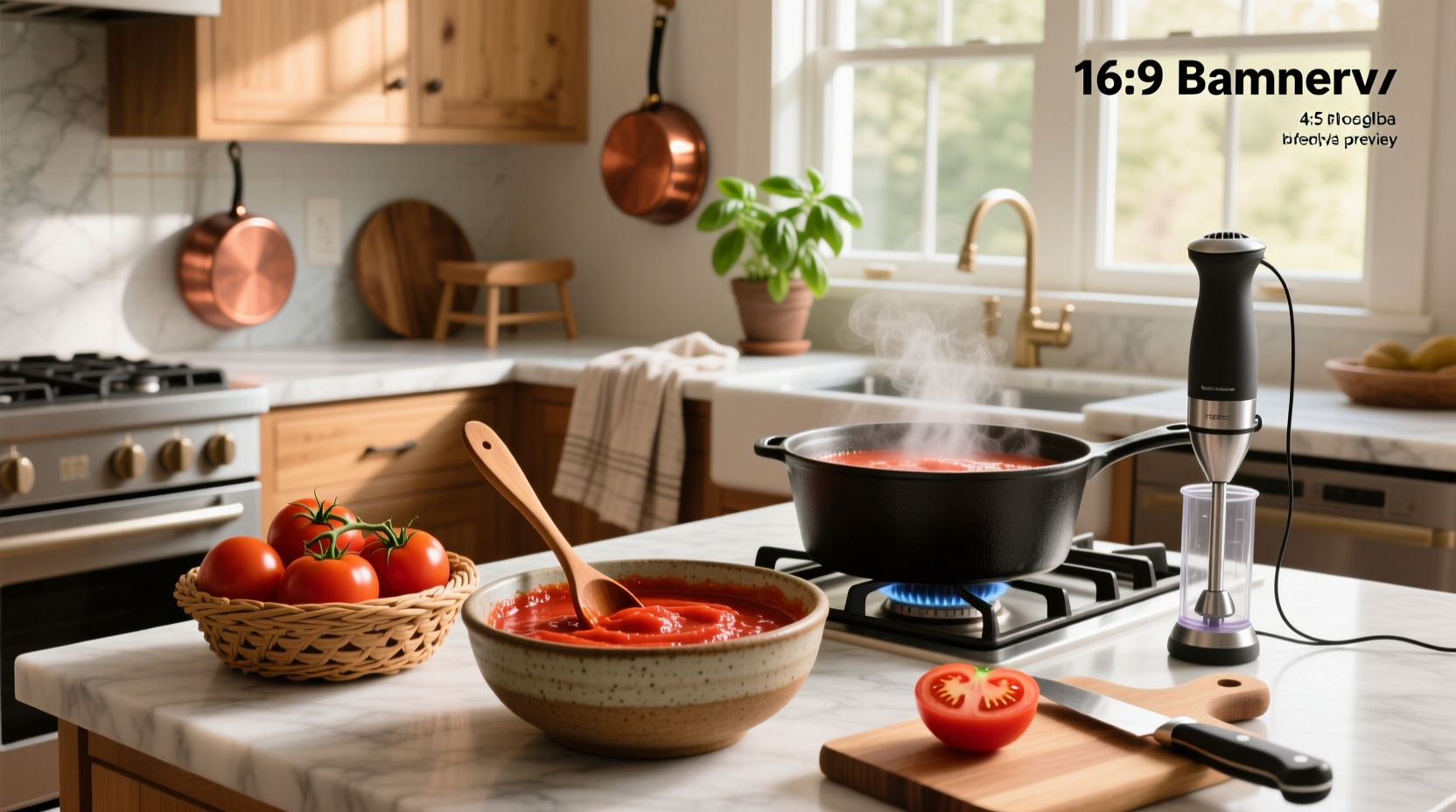
There's a fundamental difference between cooking with a store-bought ingredient and one you've lovingly crafted yourself. When it comes to tomato puree, that difference is profound, yielding a depth of flavor that can elevate even the simplest dish into a culinary masterpiece. If you've ever wondered how to make tomato puree that bursts with vibrant, sun-kissed taste, you're in the right place. This comprehensive guide will walk you through every step, transforming ripe tomatoes into a rich, versatile pantry staple.
Why Homemade Tomato Puree Reigns Supreme
In a world of convenient canned goods, why bother making tomato puree from scratch? The answer lies in unparalleled taste, quality, and control. Store-bought purees, while convenient, often contain additives, preservatives, or are made from tomatoes that lack peak ripeness. The result? A flat, sometimes metallic taste that pales in comparison to the homemade version.
- Superior Flavor: When you make your own, you control the ripeness and type of tomatoes, leading to a fresher, sweeter, and more complex flavor profile.
- No Unwanted Additives: Say goodbye to added sugars, salts, or citric acid you didn't ask for. Your puree will be pure tomato goodness.
- Cost-Effective: Buying bulk ripe tomatoes, especially during peak season, can be significantly cheaper than purchasing pre-made puree year-round.
- Nutritional Value: Homemade puree often retains more of the beneficial nutrients, like lycopene, due to less processing.
- A Sense of Accomplishment: There’s immense satisfaction in knowing you’ve created something so delicious and fundamental from scratch.
To truly understand the benefits and make an informed choice, we encourage you to delve deeper into the comparison: Fresh vs. Canned: Why Make Your Own Tomato Puree?. The superior flavor and health benefits of making your own are undeniable once you experience them.
Essential Ingredients and Tools for Perfect Puree
Before you embark on your journey to discover how to make tomato puree, gathering the right ingredients and equipment will set you up for success.
Key Ingredients:
- Tomatoes (The Star!): The type of tomato dramatically affects your puree.
- Roma or Plum Tomatoes: These are ideal due to their meaty flesh, low water content, and fewer seeds, resulting in a thicker, richer puree. San Marzano tomatoes are a premium variety known for their balanced sweetness and acidity.
- Beefsteak or Heirloom Tomatoes: While beautiful, they tend to be juicier and might require longer simmering to achieve a thick consistency. They offer fantastic flavor, however.
- Cherry or Grape Tomatoes: Can be used for a sweet, intense puree, but require more effort to process in larger quantities.
- Olive Oil (Optional): A tablespoon or two at the beginning can help sauté aromatics and add depth.
- Onion & Garlic (Optional): Aromatic vegetables can build a foundation of flavor.
- Fresh Herbs (Optional): Basil, oregano, or bay leaves can be added during simmering for extra complexity.
- Salt & Pepper: Essential for seasoning and bringing out the natural flavors of the tomatoes.
- Sugar (Optional): A pinch can help balance the acidity of the tomatoes, especially if they are slightly tart.
Essential Tools:
- Large Pot or Dutch Oven: For cooking the tomatoes.
- Sharp Knife & Cutting Board: For preparing the tomatoes.
- Large Bowl: For ice baths if blanching.
- Slotted Spoon or Spider Strainer: For transferring blanched tomatoes.
- Food Mill (Recommended): The easiest way to separate skins and seeds from the pulp, yielding a smooth puree with minimal effort.
- Blender (Immersion or Regular) or Food Processor: A good alternative if you don't have a food mill. You'll need to strain the puree through a sieve afterward to remove seeds and skins if you desire a truly smooth product.
- Fine-Mesh Sieve or Strainer & Spatula: Necessary if using a blender to remove skins and seeds.
- Storage Containers: Glass jars (for canning) or freezer-safe containers/bags.
Step-by-Step Guide: How to Make Tomato Puree at Home
Now, let's dive into the core process of how to make tomato puree that will become your secret weapon in the kitchen.
Step 1: Prepare Your Tomatoes
- Wash Thoroughly: Rinse all your tomatoes under cool running water.
- Core & Score: Using a sharp knife, carefully remove the core from each tomato. Then, make a shallow 'X' incision on the bottom of each tomato. This makes peeling much easier.
Step 2: Blanch and Peel the Tomatoes (Highly Recommended)
This step ensures a silky-smooth puree, free from tough skin bits.
- Boil Water: Bring a large pot of water to a rolling boil.
- Prepare Ice Bath: Fill a large bowl with ice water.
- Blanch: Carefully drop a few tomatoes into the boiling water (don't overcrowd the pot). Let them blanch for 30-60 seconds, or until the skin around the 'X' starts to wrinkle and pull away.
- Shock & Peel: Immediately transfer the blanched tomatoes to the ice bath to stop the cooking process. Once cool enough to handle, the skins should slip off easily. Discard the skins.
Step 3: Cook the Tomatoes
- Sauté Aromatics (Optional): In your large pot or Dutch oven, heat a tablespoon of olive oil over medium heat. If using, add chopped onion and sauté until softened (5-7 minutes). Add minced garlic and cook for another minute until fragrant.
- Add Tomatoes: Add the peeled tomatoes to the pot. If not using aromatics, simply add the tomatoes.
- Simmer: Bring the tomatoes to a gentle simmer. Reduce heat to low, cover partially, and cook for 20-30 minutes, or until the tomatoes are very soft and start to break down. Stir occasionally to prevent sticking.
- Add Herbs (Optional): If using, add fresh basil sprigs or a bay leaf during the last 10 minutes of simmering.
Step 4: Puree the Mixture
This is where you transform cooked tomatoes into puree.
- Using a Food Mill (Easiest): Place a food mill over a large bowl. Ladle the cooked tomatoes into the food mill. Turn the crank to process the tomatoes, separating the smooth puree from the seeds and any remaining skins. Repeat until all the pulp is extracted.
- Using a Blender or Food Processor: Carefully transfer the hot tomatoes (in batches, if necessary) to a blender or food processor. Blend until very smooth. Caution: When blending hot liquids, only fill the container halfway, leave the lid slightly ajar, and cover with a kitchen towel to allow steam to escape and prevent pressure buildup.
- Strain (If Using Blender): If you used a blender and desire a seedless, skinless puree, pass the blended mixture through a fine-mesh sieve or strainer, pressing the solids with a spatula to extract all the liquid. Discard the remaining solids (seeds and any fine skin particles).
Step 5: Simmer for Desired Consistency & Seasoning
- Reduce: Return the smooth puree to the clean pot. Bring it to a gentle simmer over low to medium-low heat. Cook, stirring occasionally, for 30-90 minutes, or until it reaches your desired thickness. The longer it simmers, the thicker and more concentrated the flavor will be.
- Season: Season with salt and pepper to taste. If your tomatoes are a bit tart, add a pinch of sugar. Taste and adjust as needed.
Step 6: Cool and Store
Allow the puree to cool completely before storing.
- Refrigerate: Store in airtight containers in the refrigerator for up to 5-7 days.
- Freeze: For longer storage, freeze in freezer-safe containers, zip-top bags (laid flat), or even ice cube trays for convenient small portions. It will keep for up to 6 months to a year.
- Canning: For truly long-term, shelf-stable storage, learn proper home canning techniques.
For more detailed information on preservation and specific DIY methods, consult our guide on Homemade Tomato Puree: Your Simple DIY Guide, which covers various storage options in depth.
Tips for an Unforgettable Puree:
- Don't Rush the Simmer: The final simmering stage is crucial for developing deep flavor and achieving the perfect consistency. Patience is key.
- Taste, Taste, Taste: Tomatoes vary widely in sweetness and acidity. Always taste your puree and adjust seasonings (salt, pepper, sugar) as you go.
- Acidity Balance: If your puree tastes too acidic, a pinch of baking soda can neutralize it, or a touch of sugar can balance it out without making it sweet.
- Roast First: For an even deeper, more concentrated flavor, try roasting your tomatoes before cooking them down. This caramelizes their sugars and adds complexity.
- Herbs: Fresh basil added at the very end or when serving can brighten the flavor without overcooking the delicate herb.
Creative Uses for Your Homemade Tomato Puree
Now that you know how to make tomato puree, the culinary possibilities are endless!
- Pasta Sauces: The foundation for classic marinara, arrabbiata, or vodka sauce.
- Pizza Sauce: A simple, fresh base for your homemade pizzas.
- Soups & Stews: Adds body and rich tomato flavor to minestrone, chili, or goulash.
- Braising Liquids: Perfect for adding flavor to braised meats like short ribs or chicken.
- Curries & Shakshuka: Provides a robust base for many international dishes.
- Bloody Mary Mix: A fantastic fresh base for cocktails.
Making your own tomato puree is a rewarding culinary endeavor that yields a product far superior to anything you can buy. It’s an investment in flavor, health, and a more sustainable kitchen. By following these steps, you’ll unlock the rich, authentic taste of fresh tomatoes, elevating your everyday cooking to extraordinary heights. So, gather your ingredients, fire up your stove, and prepare to be amazed by the deliciousness you can create right in your own kitchen.
