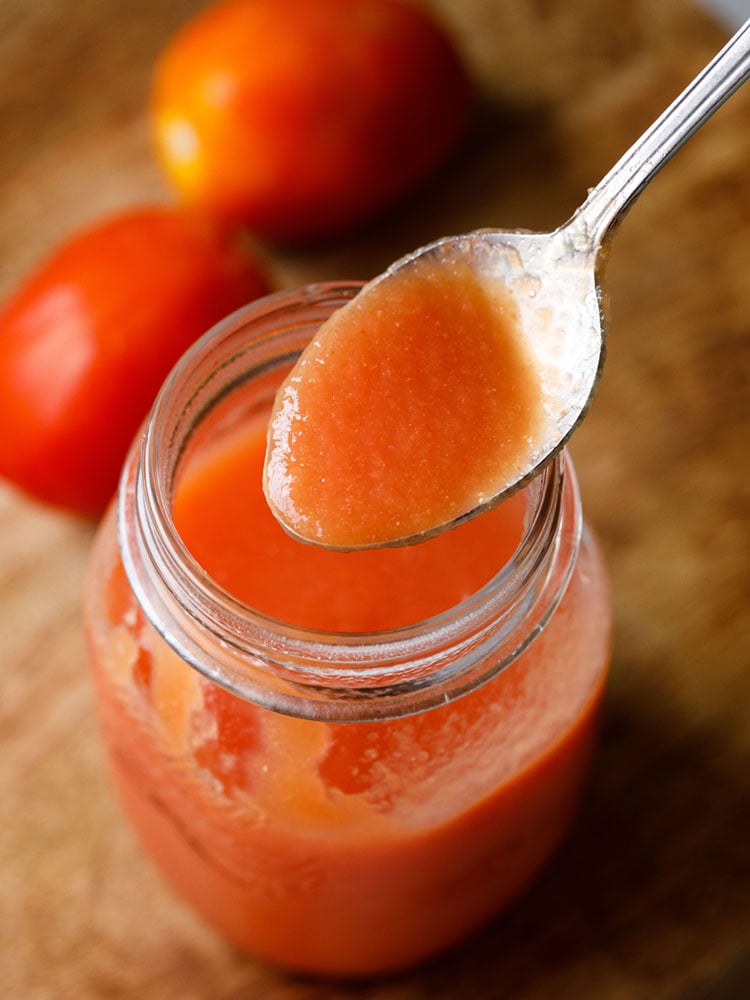
Homemade Tomato Puree: Your Simple DIY Guide
There’s a unique satisfaction that comes from creating something delicious from scratch, and when it comes to culinary essentials, homemade tomato puree stands in a league of its own. Imagine the rich, vibrant flavor of sun-ripened tomatoes, captured at their peak, ready to transform your pasta sauces, soups, stews, and casseroles. While store-bought options are convenient, they often come with added sugars, preservatives, or a lack of the nuanced taste that only fresh, quality ingredients can provide. If you’ve ever wondered how to make tomato puree that elevates your cooking from good to extraordinary, you're in the right place. This comprehensive guide will walk you through every step, demystifying the process and empowering you to craft a staple that will become a cornerstone of your kitchen.Why Bother Making Your Own Tomato Puree?
The allure of homemade tomato puree goes far beyond mere bragging rights. It's about control, flavor, and health. When you make your own, you dictate every ingredient, ensuring a product free from unwanted additives, excessive sodium, or artificial flavors. Here are compelling reasons to embark on this DIY journey:- Unmatched Freshness and Flavor: Store-bought purees simply can't compare to the bright, sweet, and tangy taste of a puree made from fresh, ripe tomatoes. The subtle sweetness and vibrant acidity are preserved, bringing an authentic depth to your dishes.
- No Preservatives or Additives: Many commercial purees contain citric acid, sugar, or other preservatives to extend shelf life. Making it at home means a pure, unadulterated product, perfect for those with dietary restrictions or who prefer clean eating.
- Cost-Effective (Especially with Bulk Buys): If you have access to an abundance of fresh, in-season tomatoes from a garden, farmer's market, or a bulk purchase, transforming them into puree is incredibly economical. You're effectively preserving the harvest for months to come.
- Customizable: Want a thinner puree? A thicker one? A spicier kick? A hint of garlic or basil? When you make it yourself, you have complete control over the consistency and seasoning to suit your preferences.
- Sense of Accomplishment: There's immense joy in opening a jar of your own homemade puree, knowing exactly what went into it and anticipating the delicious meals it will create.
To truly understand the difference and benefits, we highly recommend exploring our article on Fresh vs. Canned: Why Make Your Own Tomato Puree?, which delves deeper into the advantages of going homemade.
Essential Ingredients and Equipment for Homemade Tomato Puree
Before you dive into the nitty-gritty of how to make tomato puree, gathering your supplies is key. The good news is you likely have most of what you need already!The Star Ingredient: Tomatoes
The quality of your tomatoes directly impacts the quality of your puree. Choose ripe, blemish-free tomatoes. Here are some excellent varieties:
- Roma (Plum) Tomatoes: These are ideal due to their meaty flesh, low seed content, and relatively thin skin, making them easy to process.
- San Marzano Tomatoes: Often considered the gold standard for sauces and purees, these Italian heirloom tomatoes offer a sweet, balanced flavor.
- Beefsteak Tomatoes: While larger and juicier, they can also be used, though you might need to cook them down a bit longer to achieve desired consistency.
- Any Garden Variety: Don't be afraid to use a mix of whatever ripe tomatoes you have on hand from your garden!
Pro Tip: Look for tomatoes that feel heavy for their size, have vibrant color, and smell fragrant at the stem end. Overripe tomatoes are fine, but avoid any with mold or significant bruising.
Optional Ingredients for Enhanced Flavor
For a basic puree, just tomatoes and a pinch of salt are perfect. However, if you want to infuse a little extra flavor, consider:
- Olive Oil: A tablespoon or two at the start can help sauté aromatics and develop flavor.
- Garlic: A few cloves simmered with the tomatoes can add a wonderful base note.
- Fresh Basil or Oregano: Herbs added during the cooking process can impart a lovely aroma and taste.
- Salt and Pepper: To taste, after the puree is finished.
Necessary Equipment
- Large Pot or Dutch Oven: For simmering the tomatoes.
- Cutting Board and Sharp Knife: For prepping the tomatoes.
- Food Mill (Highly Recommended): This is arguably the easiest and most efficient way to separate the pulp from skins and seeds, creating a smooth puree with minimal effort.
- Alternative to Food Mill:
- Fine-Mesh Sieve/Strainer and Wooden Spoon/Spatula: More labor-intensive, but gets the job done.
- Blender or Food Processor (and a separate sieve): You can blend the cooked tomatoes first, then pass them through a sieve for a smooth finish.
- Storage Containers: Clean glass jars (for canning or refrigeration), freezer-safe bags, or containers.
Step-by-Step Guide: How to Make Tomato Puree at Home
Now for the exciting part – learning the exact steps for how to make tomato puree that will impress every palate!Step 1: Prepare Your Tomatoes
- Wash Thoroughly: Rinse all your tomatoes under cool running water.
- Core and Quarter: Use your knife to remove the tough core from each tomato. Then, cut the tomatoes into quarters or eighths, depending on their size. There's no need to peel them at this stage, as the skins will be removed later.
Step 2: Cook the Tomatoes
- Initial Simmer: Place the chopped tomatoes in your large pot or Dutch oven. If using, add a tablespoon of olive oil, a few smashed garlic cloves, or some fresh basil sprigs.
- Low and Slow: Cover the pot and bring the tomatoes to a gentle simmer over medium heat. Once simmering, reduce the heat to low and cook for 20-30 minutes, or until the tomatoes have softened considerably and released a lot of their liquid. Stir occasionally to prevent sticking. The goal is to break them down enough for easy processing.
Step 3: Process the Tomatoes (Remove Skins and Seeds)
This is where your chosen equipment comes into play for separating the pulp from the unwanted parts.
- Using a Food Mill (Easiest Method):
- Place the food mill over a large bowl.
- Spoon the cooked tomatoes into the food mill's hopper.
- Turn the crank, pushing the soft tomato pulp through the perforated disc and into the bowl below. The skins and seeds will remain in the mill.
- Discard the solids in the mill, or run them through a second time if you want to extract every last bit of pulp.
- Using a Fine-Mesh Sieve:
- Place the sieve over a large bowl.
- Pour or spoon small batches of cooked tomatoes into the sieve.
- Using the back of a wooden spoon or a spatula, press the tomatoes against the mesh, forcing the pulp through.
- Scrape the puree from the underside of the sieve into your bowl. Discard the skins and seeds remaining in the sieve.
- Using a Blender/Food Processor (then Sieve):
- Carefully ladle the cooked tomatoes into a blender or food processor. Blend until smooth. (Work in batches if necessary, being mindful of hot liquids in blenders).
- Pour the blended tomato mixture through a fine-mesh sieve (as described above), pressing with a spoon to ensure all the smooth puree passes through, leaving skins and seeds behind.
Step 4: Reduce the Puree (Optional, but Recommended for Thicker Consistency)
Your processed liquid is now technically tomato puree, but it might be thinner than you desire. To achieve a richer, more concentrated product:
- Pour the strained tomato puree back into the clean pot.
- Bring it to a gentle simmer over medium-low heat. Cook uncovered, stirring occasionally, for 30 minutes to an hour (or longer), until it reaches your desired consistency. It will thicken as moisture evaporates. Be careful as it thickens, as it can splutter.
For more detailed insights on achieving that perfect texture and flavor profile, you might find our article Unlock Rich Flavor: Making Perfect Tomato Puree particularly helpful, especially concerning reduction techniques and seasoning.
Step 5: Season and Taste
Once your puree reaches the desired consistency, season it. Start with a pinch of salt and a grind of black pepper, taste, and adjust as needed. If you added garlic or basil earlier, you might find it needs little else.
Step 6: Cool and Store
Allow the homemade tomato puree to cool completely before storing. Once cool, transfer it to:
- Refrigerator: In airtight containers, it will last for up to 5-7 days.
- Freezer: For longer storage (up to 6 months), pour the puree into freezer-safe bags, containers, or even ice cube trays for convenient portioning. Thaw in the refrigerator before use.
- Canning: For shelf-stable storage (up to a year or more), follow proper water bath canning procedures for high-acid foods. Ensure your jars and lids are sterilized, fill with hot puree, process according to recommended times for your altitude, and check seals.
Tips for the Perfect Homemade Tomato Puree
- Don't Rush the Cook: Allowing the tomatoes to simmer gently and break down naturally yields the best flavor.
- Adjust Consistency to Your Liking: If you want a thick paste, you'll reduce it longer. For a thinner sauce base, less reduction is needed. Remember it will thicken slightly as it cools.
- Season Thoughtfully: Add salt in layers. Taste as you go, especially if you're planning to use the puree in a specific recipe where other salty ingredients will be added.
- Use Ripe Tomatoes: This cannot be stressed enough. Ripe tomatoes are naturally sweeter and more flavorful, requiring less additional seasoning.
- Consider Your Purpose: If you plan to make a specific dish (like marinara), you might want to add Italian herbs directly to the puree while reducing. For a versatile base, keep it plain.
